
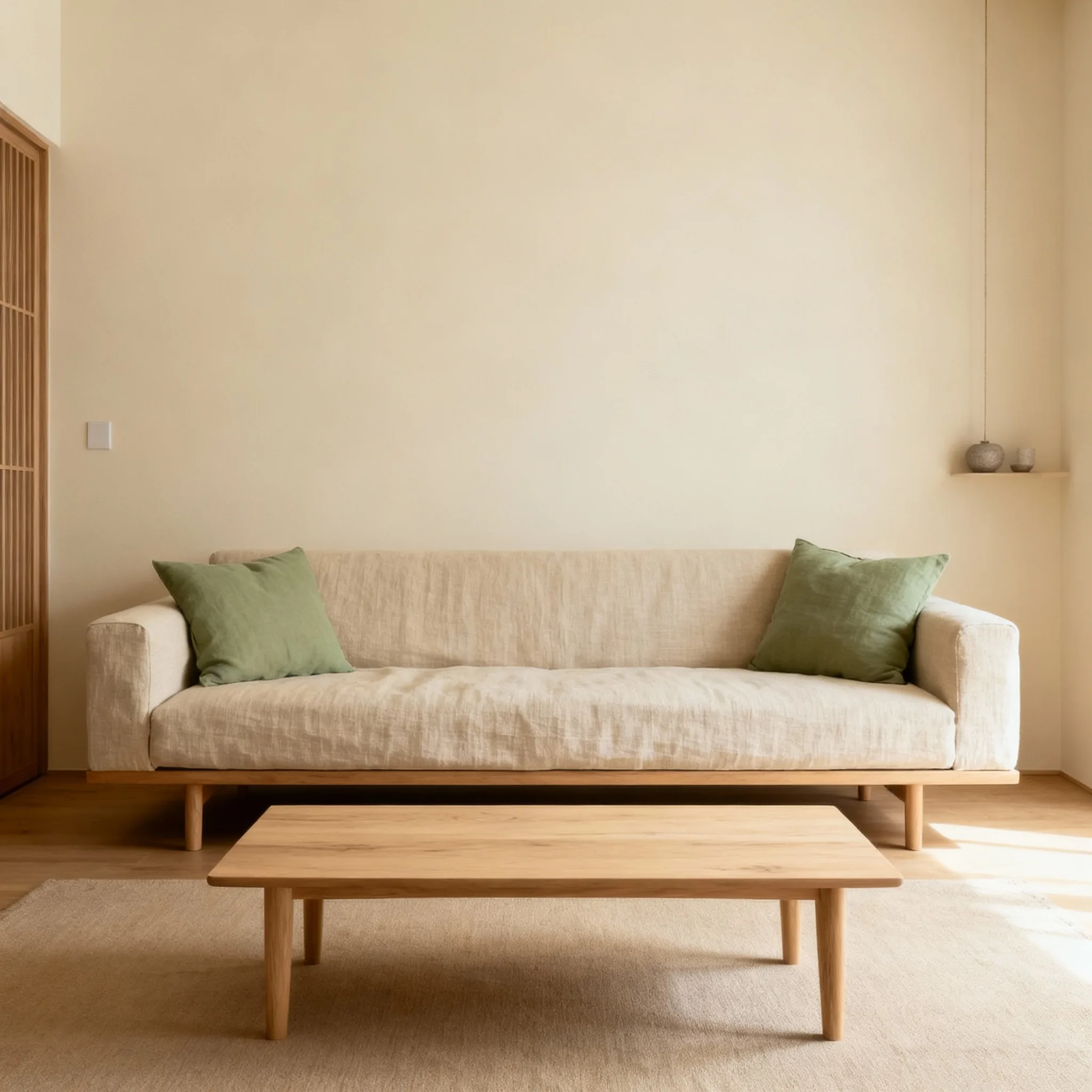
How to style a Japandi living room begins with understanding the harmonious fusion where Japanese minimalism meets Scandinavian warmth, creating sanctuary spaces that transform daily living into calming retreats. Learning how to style a Japandi living room means embracing intentional choices, natural materials, and the beauty of simplicity to cultivate environments that feel grounded, peaceful, and deeply personal.
Table of Contents
Table of Contents
Understanding How to Style a Japandi Living Room
The foundation of how to style a Japandi living room lies in merging two distinct cultural approaches that balance serenity with functionality. The Japanese influence contributes clean lines, spatial clarity, and the wabi-sabi philosophy of finding beauty in imperfection, while Scandinavian elements bring cozy textures, practical furniture, and the hygge concept of comfortable contentment. This combination produces living rooms that feel both visually restful and emotionally nurturing, supporting slower rhythms and more mindful daily experiences.
The core principles revolve around reducing visual clutter while maintaining warmth through carefully selected materials and textures. Every element serves a specific purpose, whether functional or deeply meaningful, creating spaces that breathe rather than overwhelm. This intentional approach transforms living rooms into sanctuaries where clarity and comfort coexist naturally.
Selecting Furniture for Your Japandi Living Room
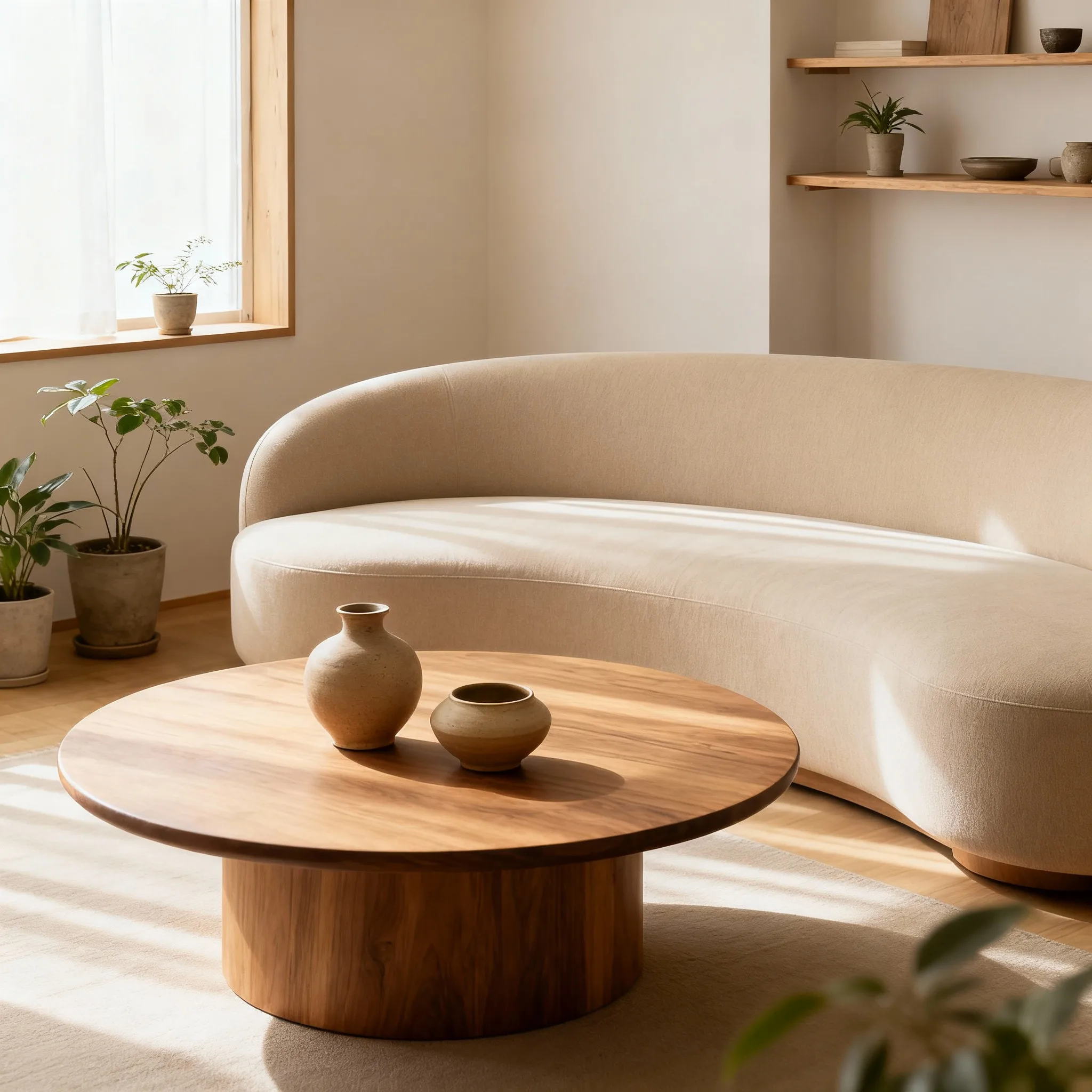
When learning how to style a Japandi living room, furniture choices anchor the aesthetic through low-profile pieces that maintain connection to the ground, a traditional Japanese design principle that fosters grounded, contemplative atmospheres. Sofas should feature streamlined silhouettes with structured forms rather than oversized or plush designs, upholstered in natural fabrics like linen or cotton in neutral tones such as beige, light gray, or taupe. These choices create visual lightness while providing comfortable seating that invites relaxation without dominating the space.
Wood becomes the foundational material for tables, media consoles, and shelving, preferably in light to medium tones like oak, ash, or walnut with natural finishes that showcase grain patterns and craftsmanship. Coffee tables should balance form with utility, ideally incorporating hidden storage to maintain clutter-free surfaces. Mix furniture styles thoughtfully, combining rounded pieces like curved sofas or circular coffee tables with more angular designs to create visual interest while maintaining overall harmony.
Crafting the Color Palette in a Japandi Living Room
An essential aspect of how to style a Japandi living room involves the color scheme, which draws from nature’s quiet elegance, establishing calm through soft, muted tones that relax both eye and mind. Base colors include off-white, cream, stone gray, and beige, creating neutral foundations that feel warm rather than stark. Layer in earthy accent hues such as sage green, clay rose, soft taupe, warm gray, and charcoal to add depth without disrupting the serene atmosphere.
Avoid overly bright whites that can feel sterile, opting instead for creamy or sandy tones that maintain warmth and connection to natural materials. Accent colors, when used, should remain organic and subtle—think mossy greens, soft terracotta, dusty pink, or olive—always serving to enhance rather than dominate the palette. This restrained approach to color creates cohesive environments where attention can settle on textures, forms, and the quality of light moving through the space.
Incorporating Natural Materials in Your Japandi Living Room
Natural materials form the tactile heart when considering how to style a Japandi living room, connecting interior spaces to the organic world beyond. Wood appears throughout in flooring, furniture, and architectural details, while rattan, bamboo, and stone add variety and visual interest. Choose materials with visible grain patterns and natural variations that celebrate authentic imperfection rather than manufactured uniformity.
Textiles introduce essential warmth and softness through linen curtains, wool throw blankets, and cotton cushions in neutral or earthy tones. Layer different textures to create depth—pair smooth ceramic vessels with woven baskets, or combine sleek wood surfaces with nubby linen upholstery. Consider incorporating traditional elements like washi paper in lighting fixtures or tatami-inspired floor mats to honor Japanese design heritage. These material choices transform minimalist spaces into environments that feel inviting and deeply comfortable.
Designing Lighting for a Japandi Living Room
Lighting shapes the emotional quality when you style a Japandi living room, moving away from harsh overhead fixtures toward layered, gentle illumination. Floor lamps with linen or paper shades, soft-glow table lamps, and pendant lights crafted from natural materials like bamboo, rattan, or rice paper create diffused, ethereal light that enhances serenity. Japanese paper lanterns contribute particularly beautiful ambient light, casting warm shadows that shift subtly throughout the day.
Prioritize warm light temperatures over cool whites to maintain cozy atmospheres, using multiple light sources at varying heights to create visual depth and functional flexibility. Position lighting to highlight specific areas—a reading nook, artwork, or architectural features—while maintaining overall soft illumination throughout the space. Natural light remains paramount, so keep window treatments minimal or choose sheer fabrics that filter rather than block daylight.
Maintaining Minimal Decor in Your Japandi Living Room
Understanding how to style a Japandi living room includes embracing decor restraint, where each displayed item serves either a functional purpose or holds deep personal meaning. Replace crowded shelves and gallery walls with one or two carefully selected pieces—a handcrafted ceramic vase, a single piece of abstract art, or a beautifully bound book collection arranged with generous spacing. This selective approach allows individual objects to be truly seen and appreciated rather than competing for attention.
Decorative objects should reflect natural beauty through materials like wood, stone, ceramics, and handwoven textiles in organic forms that echo nature’s asymmetry. Avoid synthetic materials, overtly trendy items, or anything that feels mass-produced, instead favoring artisanal pieces with visible craftsmanship. Wall art, when included, should feature simple compositions—abstract forms, nature photography, or line drawings in neutral palettes that complement rather than dominate the surrounding space.
Optimizing Storage in a Japandi Living Room
Hidden storage solutions maintain the clean, uncluttered surfaces essential when you style a Japandi living room while providing practical functionality. Built-in cabinets with flush doors, low media consoles with concealed compartments, and furniture pieces that serve dual purposes—like ottomans with interior storage or benches with lift-top seats—keep belongings organized without visual disruption. Minimalist shelving displays only essential or beautiful items, with generous empty space between objects to prevent overcrowding.
Decluttering becomes an ongoing practice rather than a one-time effort, requiring regular assessment of possessions to ensure everything present serves a clear function or brings genuine joy. Use natural woven baskets, ceramic containers, or wooden boxes to corral smaller items while maintaining aesthetic cohesion. Open shelving should showcase collections thoughtfully—perhaps a row of handmade pottery, a curated selection of books, or carefully arranged plants—always with breathing room between groupings.
Arranging Furniture in Your Japandi Living Room
Spatial planning when learning how to style a Japandi living room prioritizes openness and ease of movement, avoiding furniture arrangements that feel cramped or cluttered. Begin by identifying a focal point—perhaps a window with natural views, a fireplace, or a statement furniture piece—and arrange seating symmetrically around it to establish visual balance. Low-profile furniture enhances the sense of spaciousness by maintaining clear sightlines across the room and emphasizing horizontal planes.
Create distinct zones for different activities while maintaining overall flow through thoughtful furniture placement and the use of negative space. A reading corner might feature a simple armchair with a floor lamp and small side table, positioned near natural light but slightly separated from main seating areas. Leave generous pathways between furniture groupings, allowing movement to feel effortless and natural rather than constrained.
for more inspiration: Best Colors for Japandi Furniture: 12 Perfect Shades That Transform Any Space
Bringing Life Through Plants in a Japandi Living Room
Plants introduce organic vitality when considering how to style a Japandi living room, honoring both Japanese and Scandinavian traditions. Select species with sculptural forms and restrained presence—snake plants, fiddle leaf figs, rubber plants, peace lilies, or bonsai trees—that complement minimalist aesthetics without overwhelming the space. Larger floor plants can serve as living focal points, while smaller specimens grouped on shelving or tables add layers of green throughout the room.
Display plants in simple containers that align with the overall material palette—ceramic pots in muted glazes, natural wood planters, or woven baskets that conceal plastic nursery pots. Avoid overly decorative or colorful planters that compete with the calm aesthetic, instead choosing vessels that feel grounded and handcrafted. Place plants where they’ll receive appropriate light while contributing to the room’s visual balance.
Layering Textiles in Your Japandi Living Room
Textile layering when you style a Japandi living room transforms minimalist spaces into genuinely cozy retreats without sacrificing visual simplicity. Cushions in natural fabrics like linen, cotton, and wool introduce softness and texture, arranged in small groupings on sofas with generous spacing rather than excessive piling. Choose neutral tones as foundations—cream, beige, charcoal, or soft gray—then add subtle interest through one or two cushions in muted accent colors like dusty rose, sage green, or terracotta.
Throws draped casually over furniture add inviting warmth while remaining visually unobtrusive, selected in complementary neutral tones with interesting weaves or subtle fringe details. Natural fiber rugs ground seating areas and define zones within open floor plans, chosen in jute, wool, or cotton with simple patterns or solid colors that support rather than compete with other elements.
Creating Your Personal Japandi Living Room Sanctuary
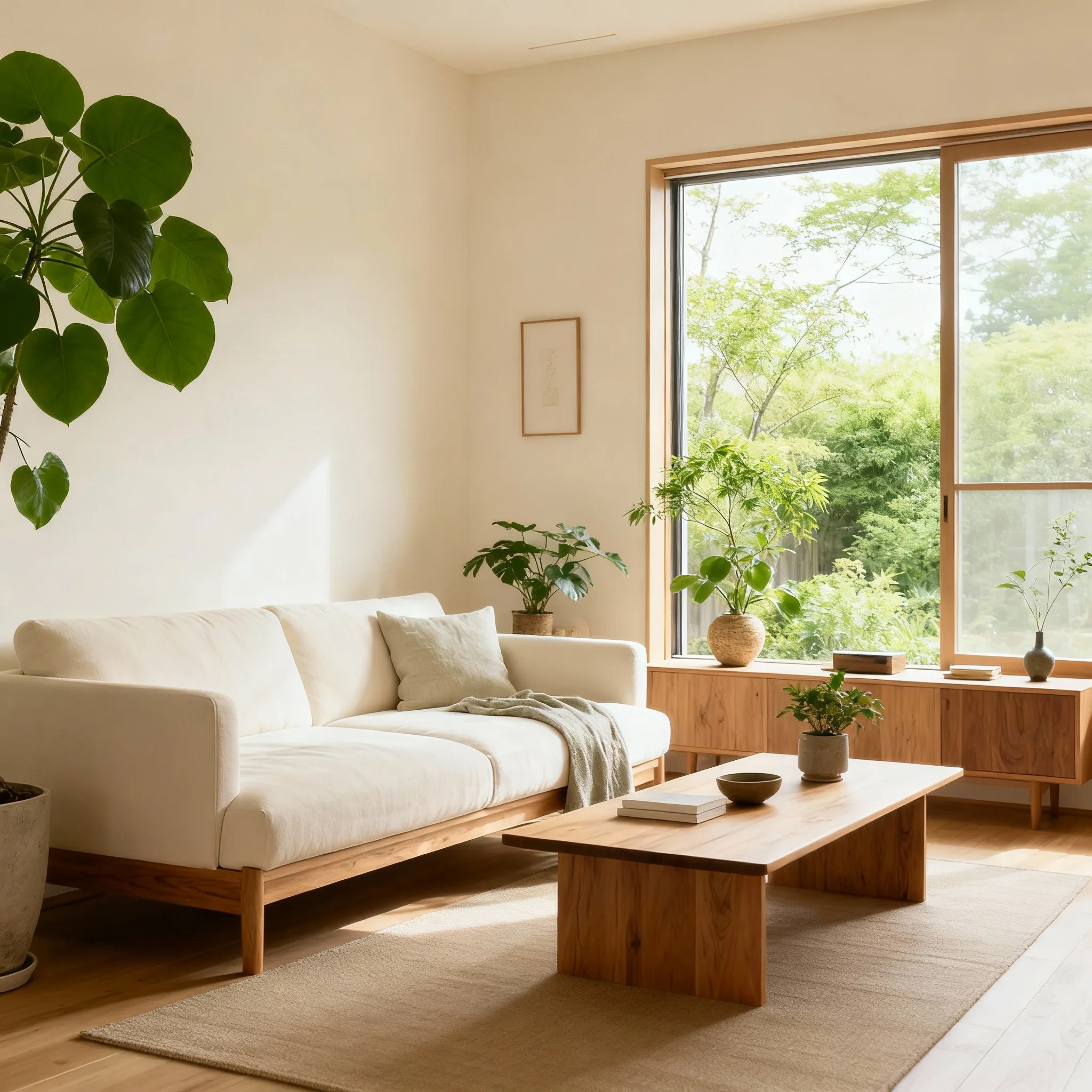
Mastering how to style a Japandi living room extends beyond following design rules to embrace a philosophy of intentional living where every choice reflects personal values and aesthetic sensibilities. The most successful spaces balance prescribed principles with individual expression, incorporating meaningful objects, beloved materials, and personal rituals that transform houses into homes. Trust instincts about what feels genuinely calming and supportive, allowing the space to evolve organically as needs and preferences shift over time.
This approach creates living rooms that function as true sanctuaries—places that support rest, creativity, connection, and the quiet daily rhythms that nourish well-being. By honoring both Japanese and Scandinavian design wisdom while remaining attuned to individual needs, mastering how to style a Japandi living room becomes a deeply personal expression of the universal human desire for beauty, simplicity, and peace.
More Article: Japandi Living Room Inspiration: 15+ Serene Ideas That Will Transform Your Space
🕊️ Together, we create calm — so you can live beautifully.
Pinterest: https://www.pinterest.com/serenehomespace
instagram: https://www.instagram.com/serenehomespace
