
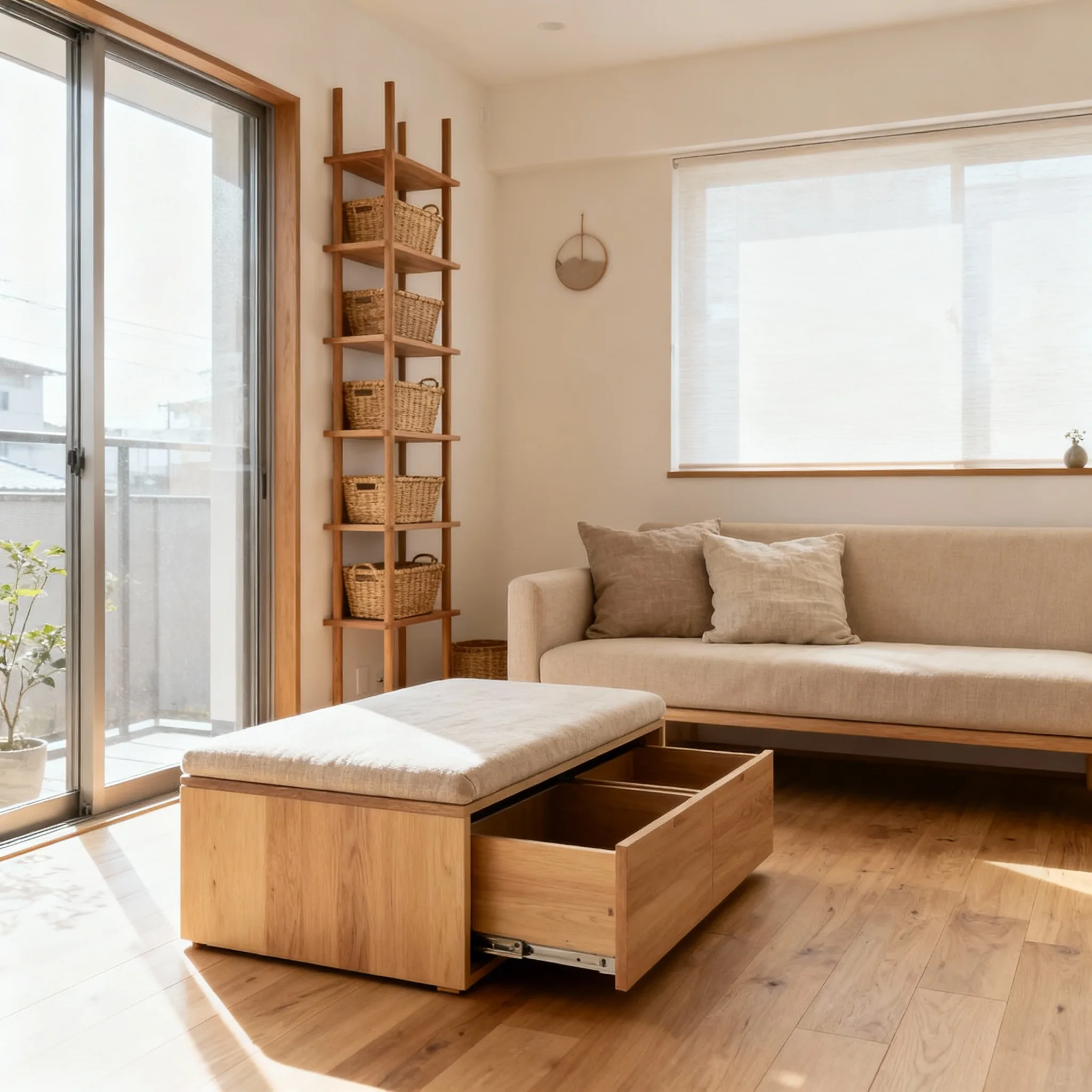
Top 5 japandi living room ideas for small spaces transform compact areas into serene sanctuaries where Japanese minimalism meets Scandinavian warmth, proving that limited square footage need not compromise style or comfort. Implementing these top 5 japandi living room ideas for small spaces allows even the tightest quarters to breathe with intentional design, functional furniture, and calming aesthetics that maximize both visual and physical space.
Table of Contents
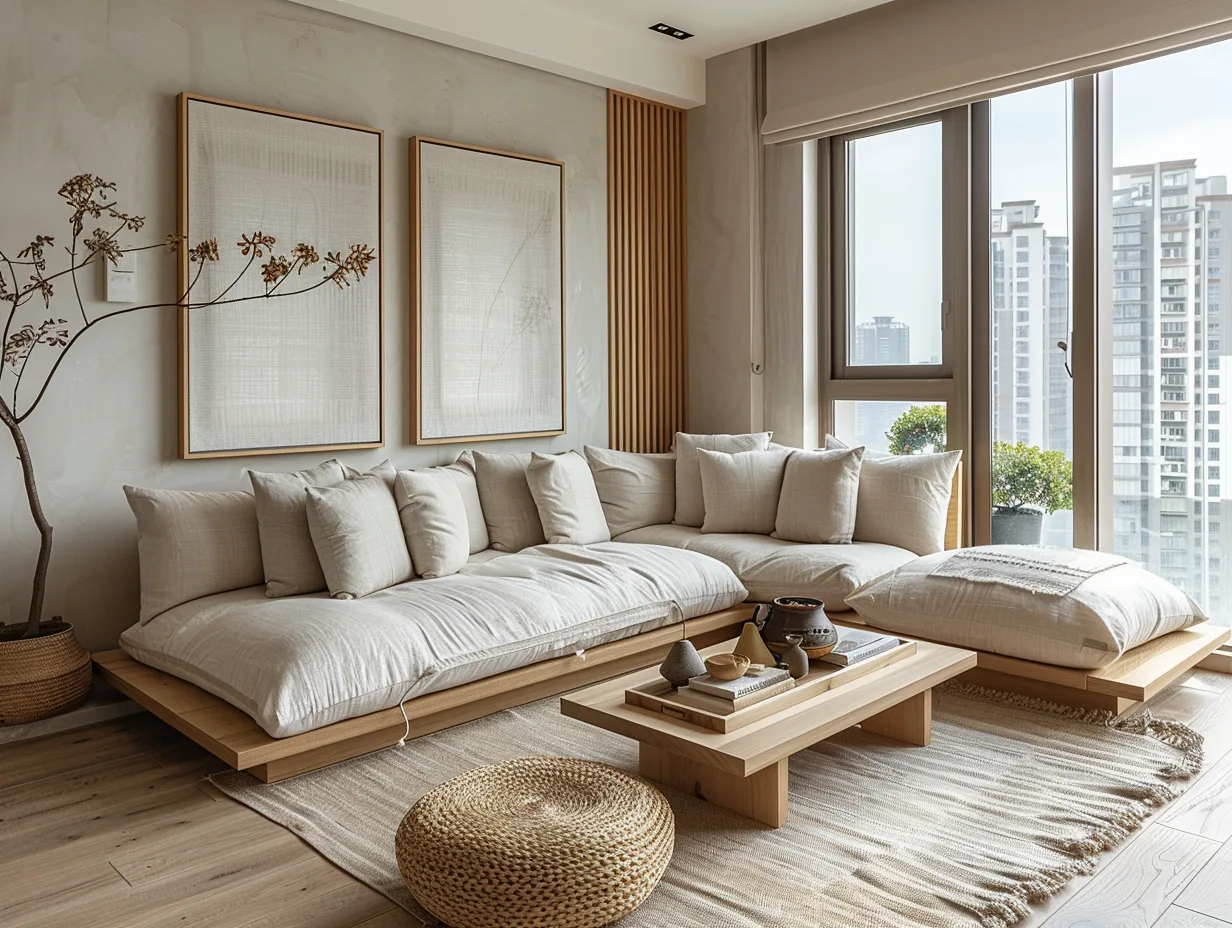
Why Japandi Works Perfectly for Small Spaces
Discovering top 5 japandi living room ideas for small spaces begins with understanding why this design fusion excels in compact environments. The philosophy of “less is more” becomes spatial salvation rather than mere designer cliché, creating breathing room without requiring actual demolition or expansion. Japandi’s function-first approach ensures every piece earns its place through purpose and beauty, eliminating visual clutter that makes small spaces feel cramped and chaotic.
Low-profile furniture creates perceived height by leaving generous space above pieces, making ceilings feel taller and rooms more expansive. Clean lines prevent the visual clutter that accumulates with overly ornate or bulky furniture, allowing eyes to move freely across spaces without obstruction. Quality over quantity means fewer possessions stealing precious floor space, while multi-purpose pieces perform double duty when square footage cannot.
Idea 1: Multi-Functional Furniture Solutions
The first of the top 5 japandi living room ideas for small spaces centers on multi-functional furniture that maximizes utility without sacrificing aesthetic appeal. Storage ottomans serve triple duty as seating, footrests, and concealed storage for blankets, magazines, or remote controls, eliminating need for separate furniture pieces. Convertible sofas transform from daytime seating into guest beds for overnight visitors, providing hospitality without dedicating entire rooms to occasional use.
Expandable dining tables adapt from intimate daily meals to larger gatherings, then collapse back to space-saving dimensions when entertaining ends. Coffee tables with built-in storage compartments hide everyday items behind clean facades, maintaining uncluttered surfaces essential to Japandi aesthetics. Platform beds with integrated drawers eliminate need for separate dressers, consolidating bedroom storage while reducing visual bulk through low-profile designs.
Idea 2: Vertical Storage Maximization
Among essential top 5 japandi living room ideas for small spaces, vertical storage liberates floor area while keeping necessities accessible and organized. Wall-mounted shelving with simple lines and natural materials like wood or bamboo creates display opportunities without consuming precious ground space. Floating shelves appear to hover without visible brackets, contributing to sleek, uncluttered aesthetics while showcasing curated ceramics, books, or minimal artwork.
Tall storage cabinets take advantage of ceiling height, providing ample hidden storage through soft-close doors that maintain serene atmospheres. Position these units in corners or against walls to create focal points without overwhelming rooms, choosing neutral colors and natural materials for cohesive looks. Over-door organizers utilize often-wasted space behind doors for storing shoes, accessories, or cleaning supplies without additional floor footprint.
Idea 3: Low-Profile Floor Seating Arrangements
The third among top 5 japandi living room ideas for small spaces embraces Japanese-inspired floor seating that transforms spatial perception and functionality. Floor cushions paired with low tables create flexible layouts that adapt from dining areas to relaxation zones to entertainment spaces within minutes. This arrangement eliminates bulky traditional seating, instantly doubling entertainment capacity without forcing guests into cramped positions.
Tatami mats or large area rugs define seating zones while adding warmth and texture underfoot, grounding spaces without visual heaviness. Low coffee tables maintain sightlines across rooms, preventing furniture from blocking views or making spaces feel divided and smaller. Modular floor cushions in neutral tones can be rearranged or stored away completely when maximum open space is needed, offering flexibility impossible with permanent furniture.
Idea 4: Strategic Light and Neutral Color Palettes
Critical among top 5 japandi living room ideas for small spaces, color strategy expands perceived dimensions through carefully chosen hues and lighting. Base palettes of cream, beige, soft gray, and off-white create expansive foundations that reflect light rather than absorbing it, making rooms feel larger and airier. Layered neutral tones add depth without introducing visual chaos, allowing spaces to feel cohesive and intentionally curated.
Maximize natural light through sheer curtains or minimal window treatments that filter without blocking precious daylight. Multiple light sources at varying heights—floor lamps, table lamps, and pendant lights in natural materials like bamboo or rice paper—create ambient layers that enhance spaciousness. Warm light temperatures prevent spaces from feeling stark or clinical, maintaining the cozy comfort essential to successful Japandi design.
Idea 5: Minimalist Decor with Intentional Curation
The final of top 5 japandi living room ideas for small spaces addresses decoration through restraint and meaningful selection. Display only items serving functional purposes or holding deep personal significance, replacing crowded shelves with one or two carefully chosen pieces that command attention through isolation. Three well-placed ceramic vases create stronger visual impact than seventeen competing decorative objects crammed together, allowing individual beauty to shine.
Incorporate living elements through sculptural plants like snake plants, peace lilies, or small bonsai trees that bring organic vitality without overwhelming limited space. Choose simple planters in muted glazes or natural wood that complement rather than compete with overall aesthetics. Wall art, when included, should feature minimal compositions—abstract forms, nature photography, or simple line drawings—that enhance rather than dominate surrounding space.
Implementing Your Small Space Japandi Transformation
Successfully applying these top 5 japandi living room ideas for small spaces requires thoughtful planning and gradual implementation rather than hasty room overhauls. Begin by decluttering ruthlessly, removing items that neither serve clear functions nor bring genuine joy, creating blank canvases for intentional design. Measure spaces carefully before purchasing furniture, ensuring pieces fit physically while leaving adequate circulation paths and visual breathing room.
Invest in quality over quantity, choosing fewer well-crafted pieces in natural materials that will endure both physically and aesthetically for years. Start with foundational elements—multi-functional furniture and neutral color palettes—then layer in vertical storage, floor seating options, and minimal decor as budgets and needs dictate. Trust personal instincts about what feels genuinely calming and supportive, allowing spaces to evolve organically as lifestyles shift and preferences develop.
Creating Sanctuary in Limited Square Footage
Mastering these top 5 japandi living room ideas for small spaces proves that compact living need not sacrifice beauty, comfort, or personal expression. Small spaces designed with Japandi principles become sanctuaries supporting rest, creativity, and daily rhythms rather than sources of stress about inadequate square footage. By honoring both Japanese minimalism and Scandinavian warmth while remaining practical about spatial realities, these ideas transform limitations into opportunities for intentional, mindful living that celebrates simplicity and function.
See also: serenehomespace-com-884286.hostingersite.com
Pinterest : serenehomespace
