
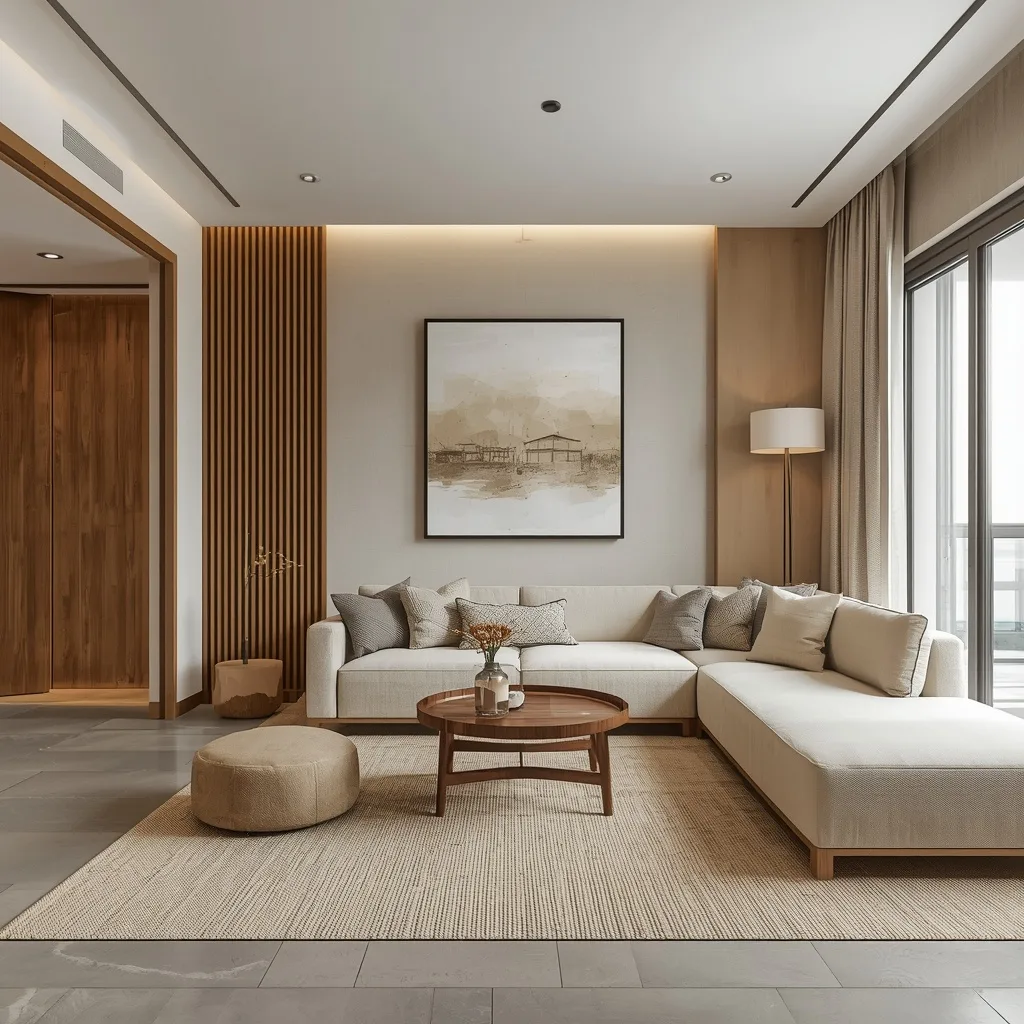
By Lina Moreau · Japandi Interiors
This guide brings you the best japandi living room ideas — from color palette to final finishing touches, with practical tips that work whether your budget is $50 or $500.
A small living room can feel calm, open, and elevated when you approach it with intention. The Japandi way does not ask you to buy more, renovate, or start over. It simply asks you to choose better, edit more gently, and let each piece breathe.
Table of Contents
Table of Contents
Why Japandi Living Room Ideas Work So Well in Small Spaces
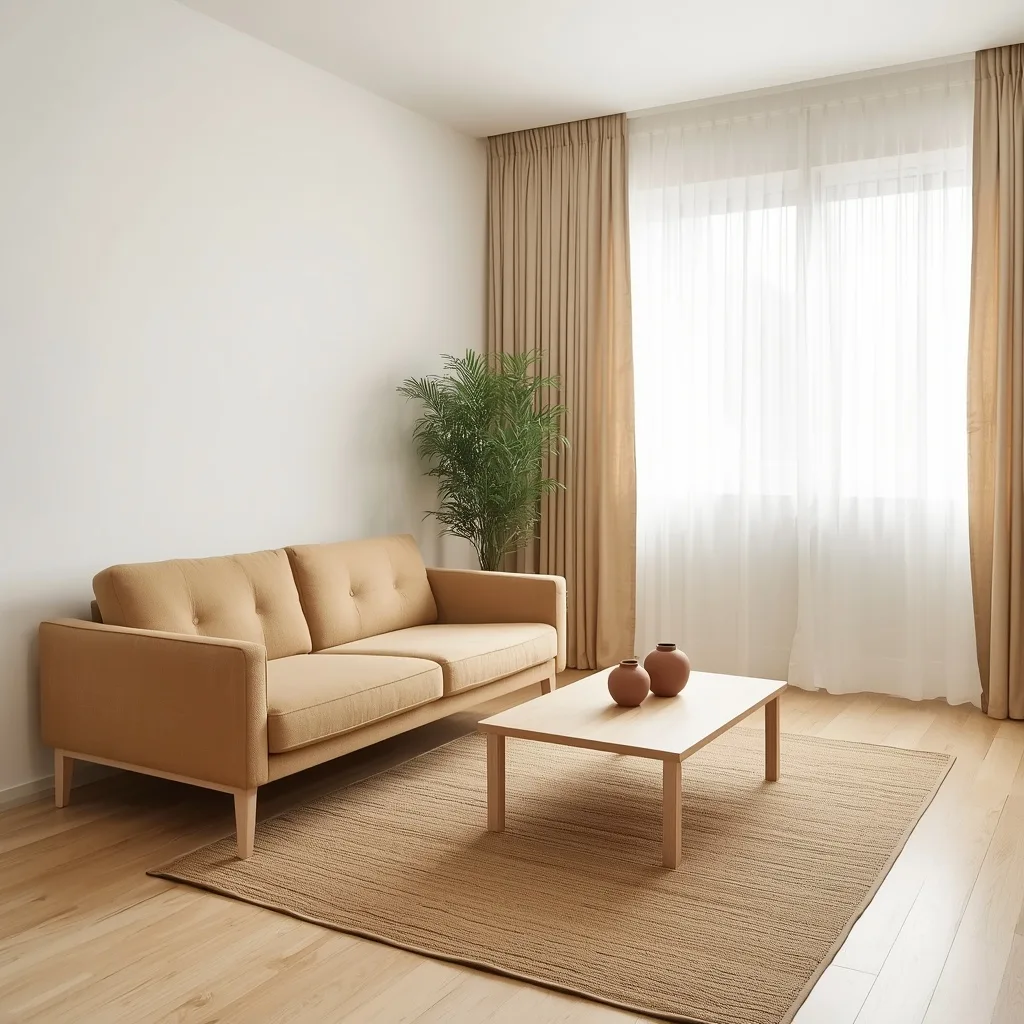
Japandi living room ideas almost always start with the same liberating principle: what you leave out matters as much as what you put in. The Japanese tradition of ma — the appreciation of empty space — teaches that absence is a design choice, not a failure. Combined with the Scandinavian principle of hygge, which favors warmth and coziness over excess, the result is a style that makes compact rooms feel both open and deeply comfortable.
In a small living room, this translates simply: fewer pieces, more presence. A room designed in the Japandi spirit guides the eye gently instead of overwhelming it, which makes every centimeter feel more generous.
The Core Principles of a Japandi Living Room
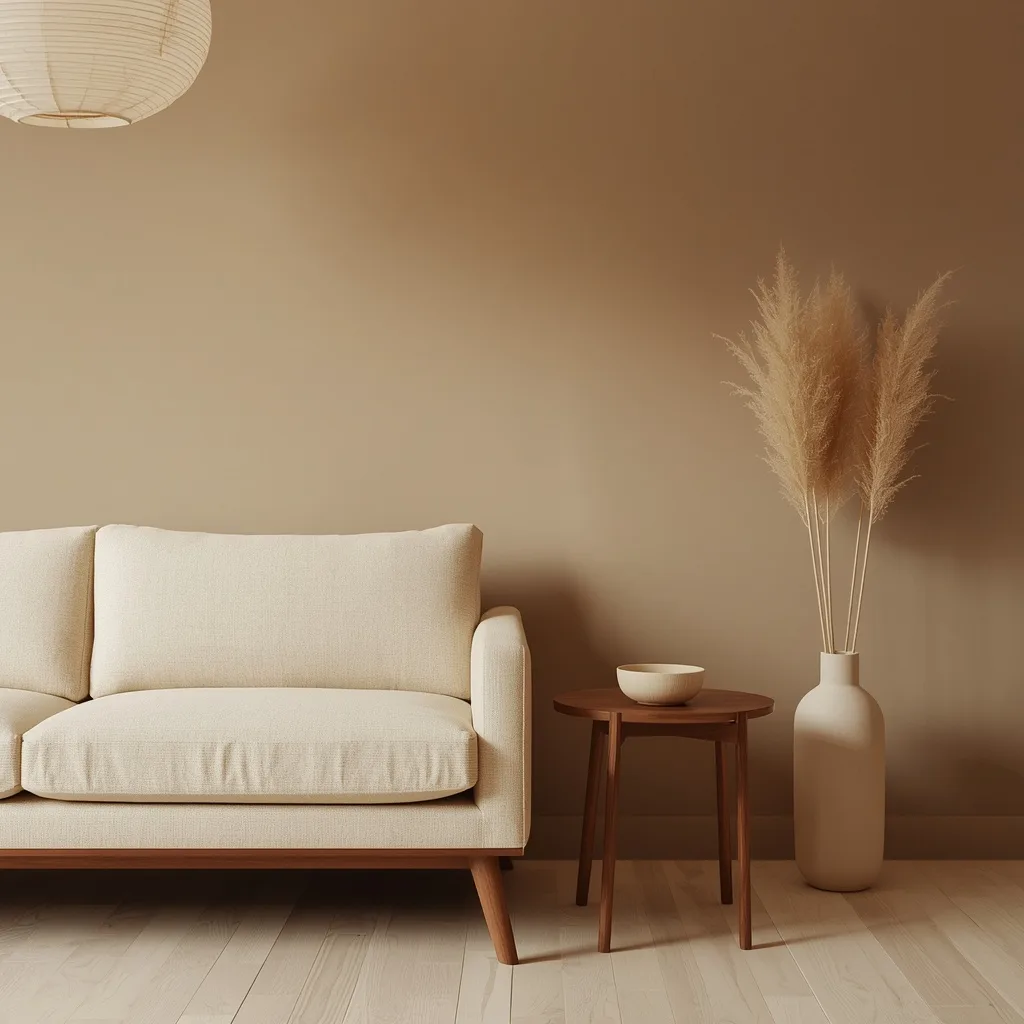
The best japandi living room ideas always begin with the same four quiet pillars that hold the style together. Before choosing any furniture or color, understanding these principles will save you from costly mistakes.
Minimal clutter — every surface has a purpose. Shelves are never full. Tables hold only one or two objects at most.
Natural materials — wood, linen, cotton, jute, ceramic, stone. Synthetic surfaces and shiny finishes break the calm immediately.
Low-profile furniture — sofas and tables that sit close to the ground open up vertical space and make the room feel lighter and taller.youtube
Soft, warm light — no harsh overhead light. Only gentle, layered warmth that makes the room feel like a place to exhale.
When these four principles work together, even the smallest living room becomes a sanctuary.
Best Japandi Colors for a Small Living Room (2026 Palette)
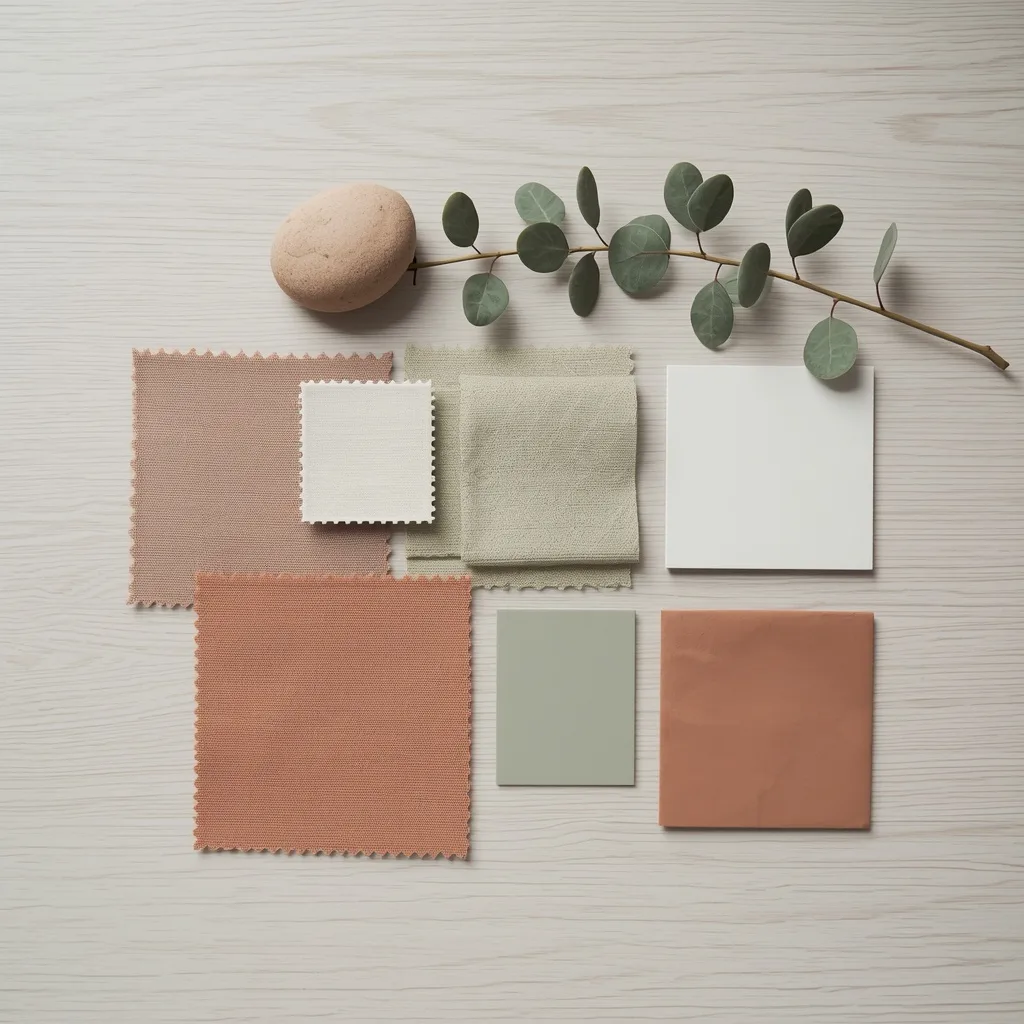
In 2026, the most beautiful Japandi palettes lean warm and grounded rather than cool and stark. The dominant tones are:decorquarter+1
Warm greige — a blend of gray and beige with a warm undertone. The most versatile Japandi neutral, and the most forgiving in small rooms.
Stone beige and ivory — softer than white, warmer than gray. Apply to walls and large furniture pieces for a seamless, spacious feel.
Light ash and white oak — the wood tones that carry the Scandinavian warmth. These bring the palette alive without adding visual weight.
Sage green — used as a quiet accent, never a dominant color. One sage green cushion or a single ceramic vase is enough.
Clay and soft terracotta — a gentle nod to the Japanese wabi-sabi spirit. Used sparingly in ceramics, throws, or a single wall accent.
The golden rule for a small room: choose one main neutral, one wood tone, and one quiet accent color. Repeat them consistently across every surface and the room will feel cohesive, calm, and larger than it truly is.youtube
Low-Profile Furniture: The Heart of a Japandi Living Space
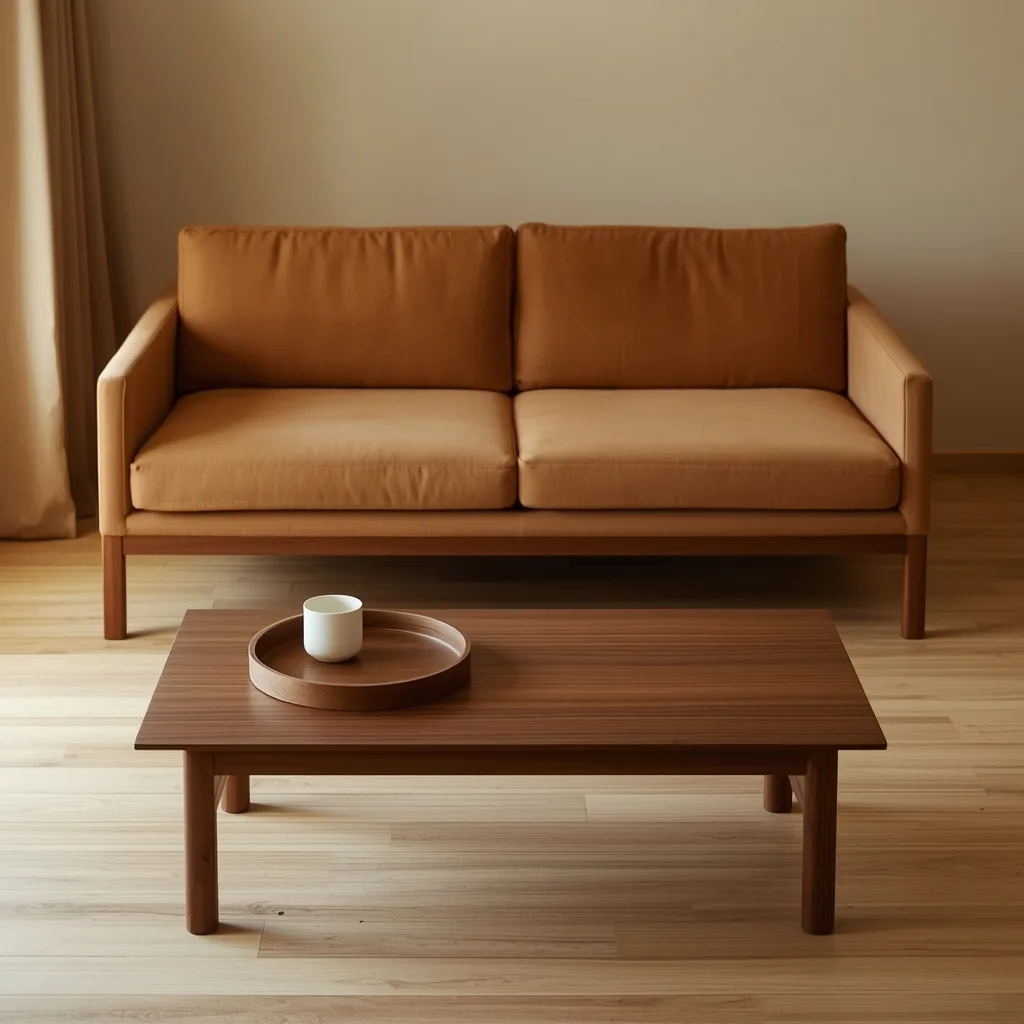
Low furniture is one of the most powerful tools in any japandi living room ideas collection. When the sofa, coffee table, and seating sit close to the ground, the vertical space above them becomes visible and the room breathes.
Look for a sofa with slim legs (8 to 15 cm of clearance from the floor), a clean rectangular silhouette, and upholstery in linen, bouclé, or cotton in a warm neutral. Avoid sectionals or L-shaped sofas in rooms under 20 m² — they crowd circulation space and make the room feel trapped.
For the coffee table, choose a simple piece in light wood or walnut for quiet contrast. Keep the top surface almost empty: one small tray, one candle or ceramic object, and nothing more.kooihaus
Japandi Living Room Layout Ideas for Small Spaces
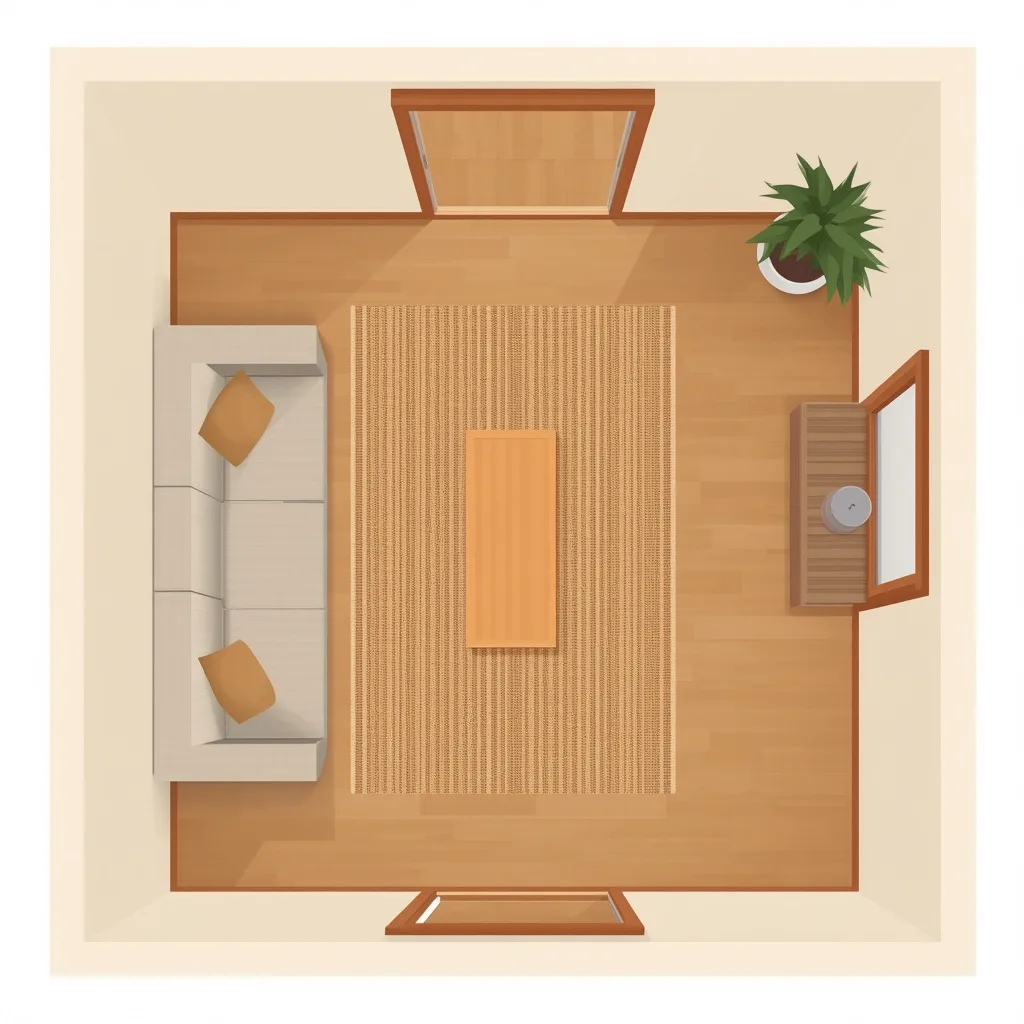
Layout is where most small Japandi rooms succeed or fail. The principle is simple: keep the center open.
Place your sofa against the longest wall, facing the window or the room’s natural focal point. Pull it slightly away from the wall rather than pressing it flat against it — even 15 cm of space behind the sofa makes the room feel more intentional and less cramped.
Use a natural-fiber rug to define the seating area. The rug should be large enough for all front feet of the furniture to rest on it, unifying the space without choking it.
If you have an awkward corner, resist the temptation to fill it with furniture. A single tall plant, a slim floor lamp, or simply nothing at all will keep the room feeling open and deliberate.
Natural Textures That Make Any Small Room Feel Serene
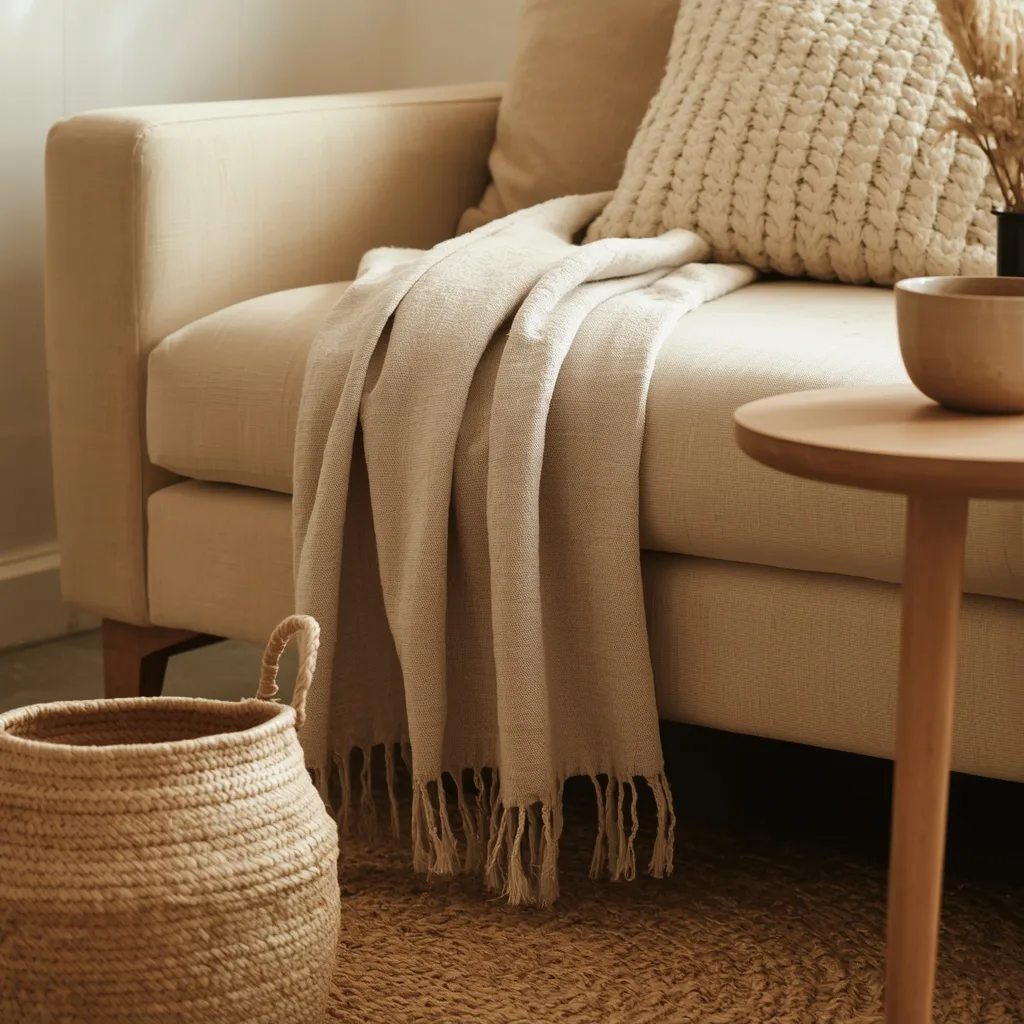
Texture is what keeps a Japandi room from feeling cold or flat. It adds depth, warmth, and visual interest without adding clutter — and it works best when layered quietly.
Here is a simple texture palette for a small Japandi living room:
Linen curtains — always floor-length, always in a warm neutral. They soften the walls and make windows feel taller.
A wool or bouclé throw — draped loosely over one end of the sofa. Adds instant warmth and tactile richness.
A natural-fiber rug — jute, sisal, or wool in warm ivory or natural tan. The base that grounds the whole room.
One ceramic object — a vase, a bowl, a small sculpture. Matte, imperfect, handmade if possible. The spirit of wabi-sabi in a single piece.
A woven basket — for storage or as a standalone accent. Adds organic warmth and solves a practical problem beautifully.
Japandi Living Room on a Budget: 10 Affordable Ideas That Work
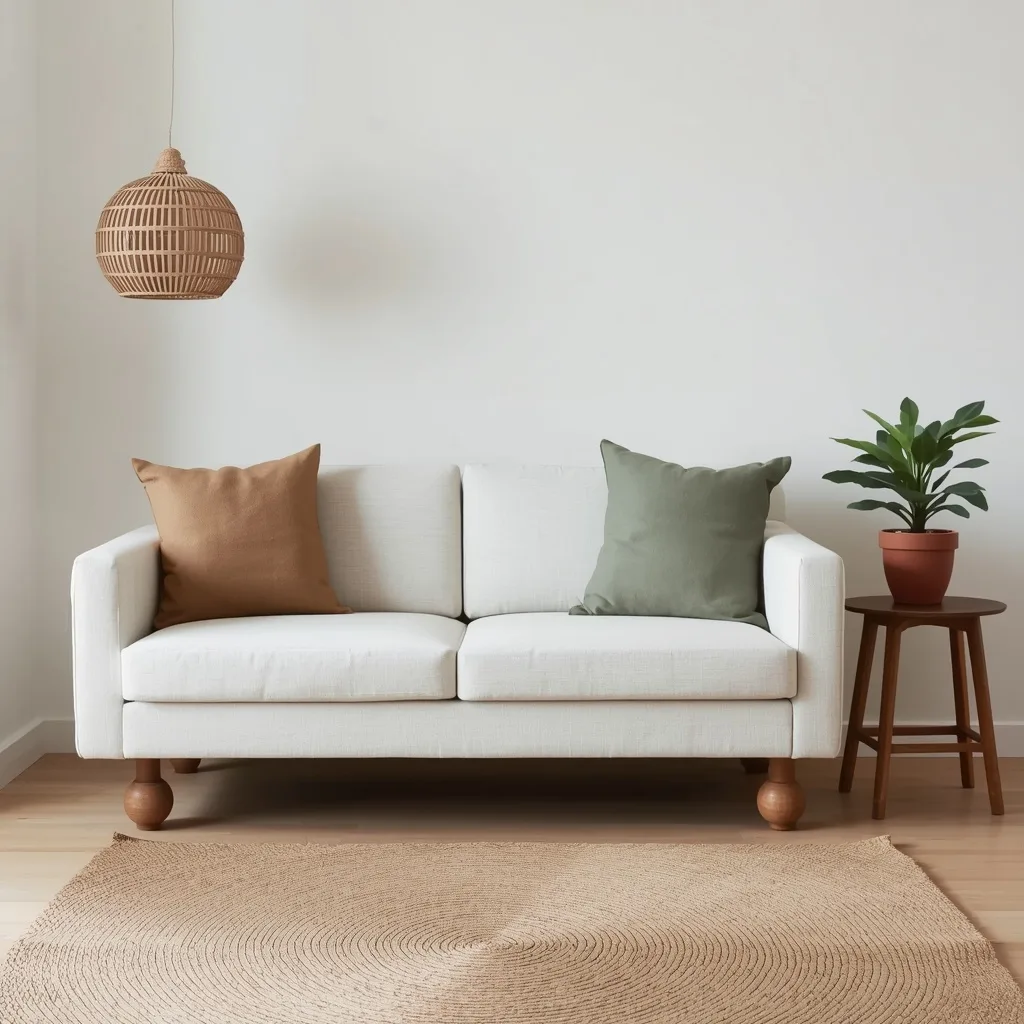
One of the most liberating truths about japandi living room ideas on a budget is that the style was never about spending more — it was always about choosing better and owning less. Here are ten ideas that cost little but change everything:casaferrier
1. Replace your lampshade with a paper pendant or rattan dome — under $30 and instantly Japandi.
2. Buy linen cushion covers in warm white or sand beige — two or three is enough.
3. Add a natural jute rug under your existing furniture — it grounds the whole room in one move.
4. Empty your shelves by 50% — this costs nothing and transforms the room immediately.
5. Swap one throw pillow for a bouclé or textured one in sage green or clay.
6. Find a secondhand wooden side table at a thrift shop and sand it lightly — a $10 piece can feel like $200.
7. Place one plant in a plain terracotta pot near the window — a snake plant, peace lily, or simple pothos.
8. Frame a single piece of art in warm natural tones — one is more powerful than a gallery wall.
9. Fold a linen throw over the arm of your sofa — soft, warm, and Japandi for free.
10. Decant your remote controls and cables into one woven basket — instant calm.
Lighting a Japandi Living Room: Soft, Warm & Intentional
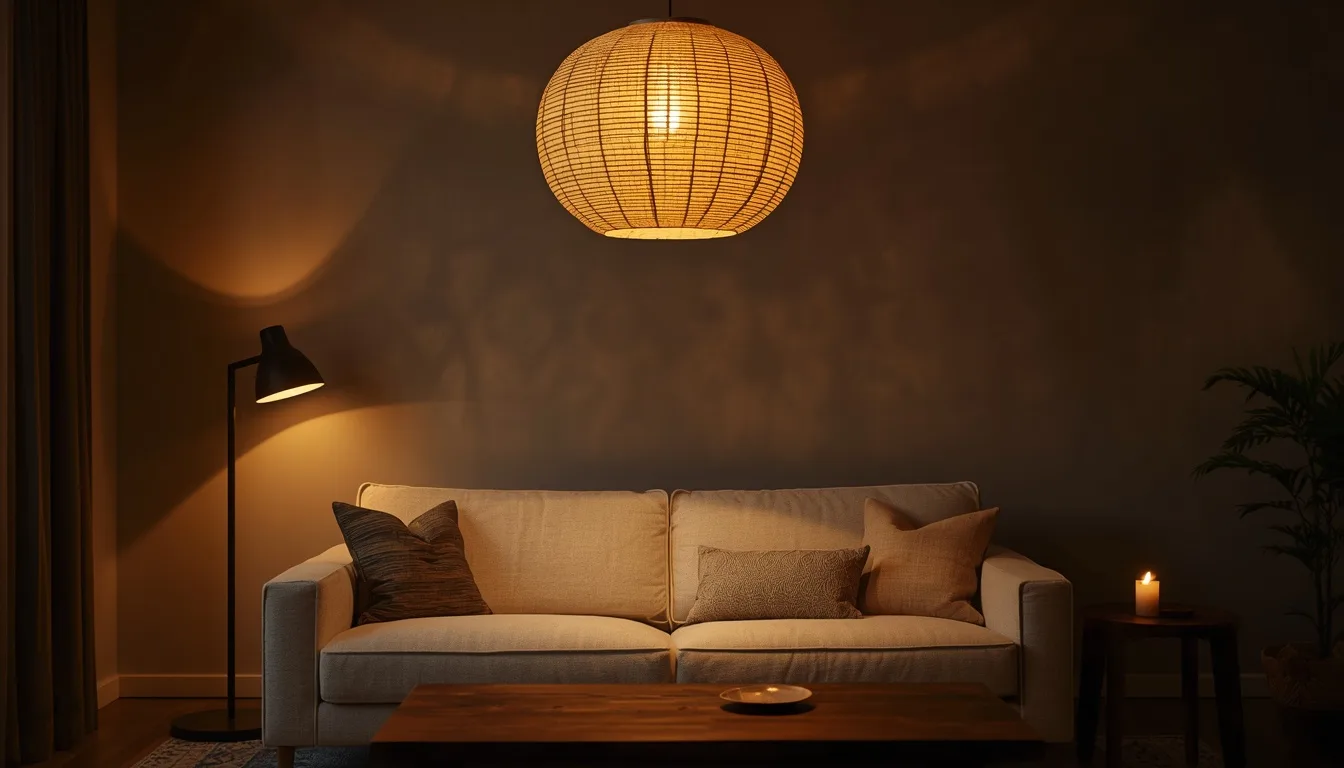
Lighting is the element most people overlook, and the one that makes the biggest difference in how a room feels at night.designedcuratedyoutube
In a Japandi living room, aim for warm light between 2700K and 3000K. Anything cooler starts to feel clinical and pushes against the warmth you have carefully built with your materials and palette.
Layer your lighting in three ways: a pendant or paper lantern for ambient light above, a floor lamp beside the sofa for evening reading, and a small table lamp or candle on a side table for the softest intimate glow. Avoid single overhead ceiling lights used alone — they flatten texture and create the kind of harsh light that makes a small room feel cold and uninviting.
The most beautiful and affordable Japandi pendant is a hand-woven bamboo or paper lantern, which scatters light softly and adds warmth even when turned off.
Plants, Ceramics & Calm: The Final Japandi Touches
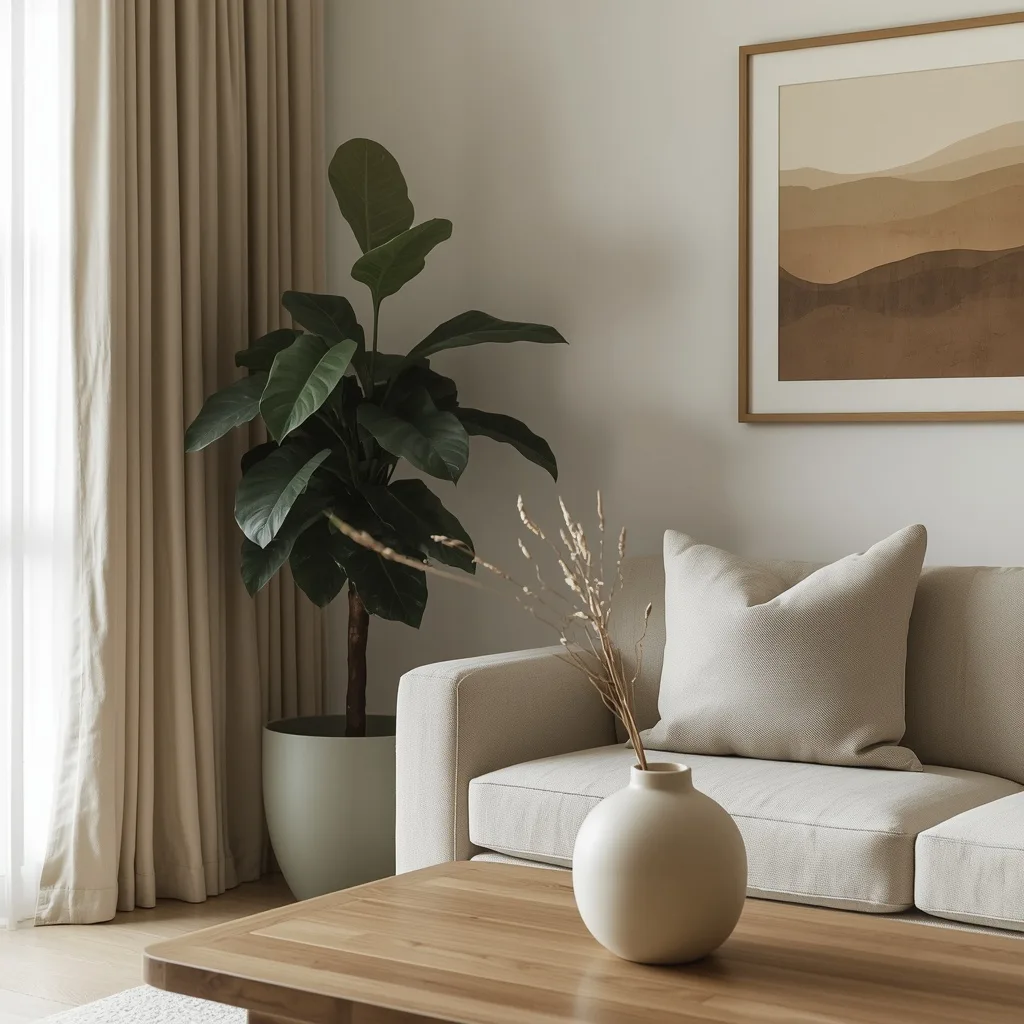
Once your layout, furniture, palette, texture, and lighting are in place, the final layer should be applied with the lightest possible hand.upscale
One plant — tall and sculptural if possible: a fiddle leaf fig, a bird of paradise, or a simple rubber plant in a matte ceramic pot. Place it where it catches natural light and frames the room naturally.
One or two ceramics — matte, organic, imperfect. A small vase on the coffee table. A wider bowl on a shelf. Nothing mass-produced or overly decorative.
One artwork — a single piece in muted tones, framed simply, hung at eye level. Not a gallery wall. Not a grid of prints. One quiet moment on the wall.
The final principle: in a Japandi living room, you are not decorating a room — you are editing it. The goal is not a full space, but a still one. A still room is the most beautiful room of all.
FAQs: Small Japandi Living Room Styling
What is the best sofa choice for a small Japandi living room?
A low sofa in linen or bouclé with slim legs, in warm white, greige, or warm sand. Clean lines, no oversized arms, and no dark upholstery that absorbs visual space.
Can I use dark wood in a small Japandi room?
Yes. One piece in walnut or dark oak can ground the room beautifully. Balance it with warm light walls, pale textiles, and plenty of open space around it.
How many decorative objects should a Japandi living room have?
As few as possible. Three to five objects across the whole room is a good starting point. In Japandi, empty space is not a lack — it is a design choice.
What is the single most effective budget change?
Lighting and textiles. A paper lantern, two linen cushion covers, and a natural rug can transform the atmosphere of any room for under $100.
Do I need to match all my wood tones?
No. Japandi allows mixing warm and cool wood tones if they belong to the same undertone family. The key is consistency of warmth — all warm together, or all cool together.decorquarter
Let your space support your soul. Design that feels as good as it looks
Pinterest: https://www.pinterest.com/serenehomespace
instagram: https://www.instagram.com/serenehomespace
More Article: Japandi Living Room Inspiration: 15+ Serene Ideas That Will Transform Your Space
